By Geoff Shames12 min readStrategyCreative
Roblox Won’t Pay You. Here’s How the Placement Pays Anyway.
Symphonic put hundreds of thousands of songs into Roblox, and the deal pays artists $0. Here’s the playbook that moves that attention somewhere that pays.
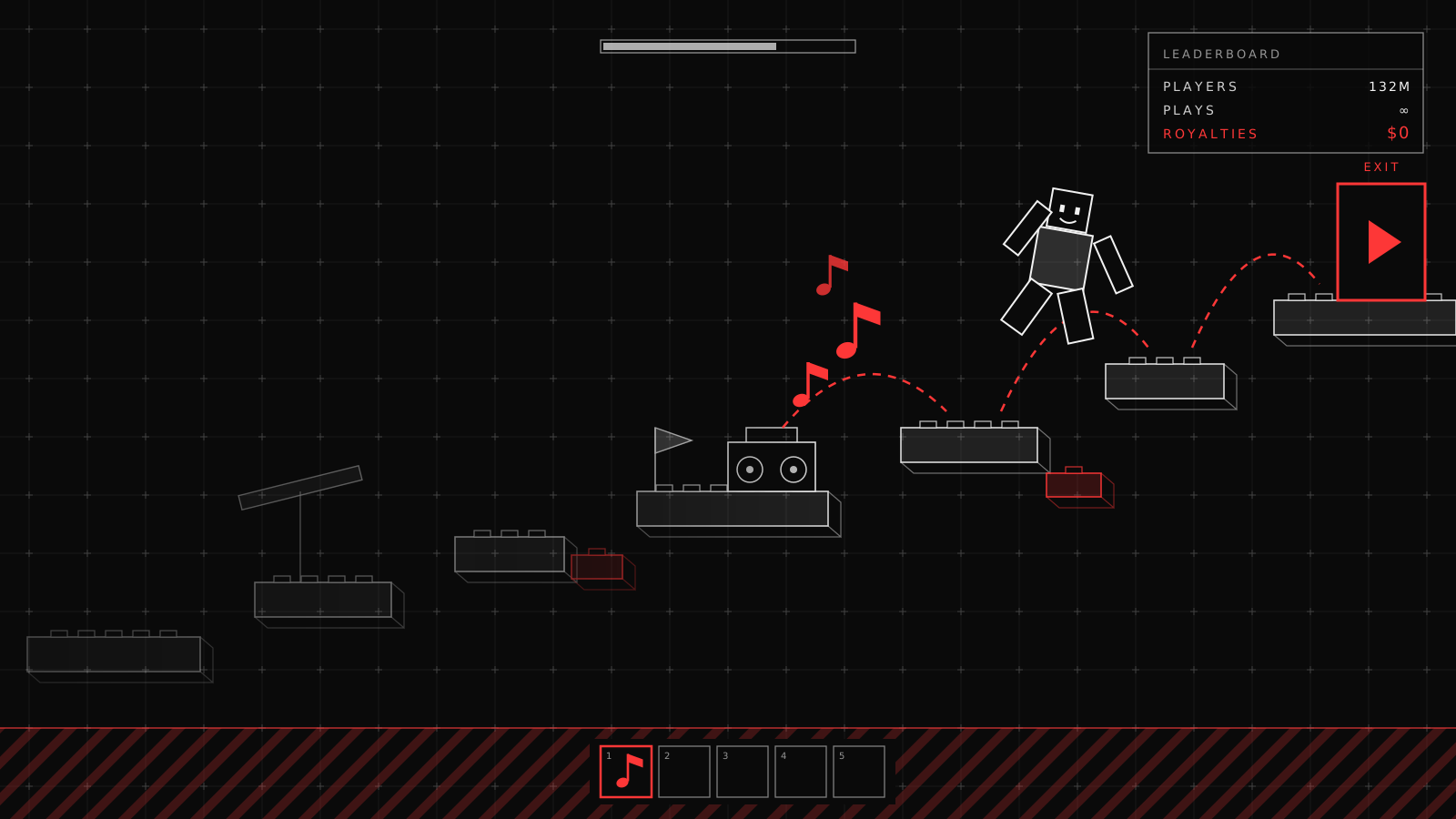
Symphonic put hundreds of thousands of songs into Roblox on November 12, 2026, and the deal pays artists $0 in royalties. So stop reading it as a revenue story. Read it as free placement inside the biggest game platform on earth, and run the playbook that moves that attention somewhere that pays.
[ 01 ]Key takeaways
- The deal is real and the money isn’t. Symphonic artists won’t receive royalties from Roblox through the partnership, and Hypebot’s November 16 read is blunt about it: “There are no royalty earnings on any of that.”
- It’s the third free Roblox catalog deal in a row, after DistroKid’s 2024 beta and Too Lost’s July 2026 catalog. The price is settled. The open question is what you get out of it.
- Roblox gives you no player data, no payout, and no link back to your music. Every bit of value has to be caught on surfaces you own: your streaming profiles, your email and SMS list, your Discord, your merch store.
- The mechanics favor the prepared. Developers pick tracks from a 15-second preview in the Creator Store, and players share 30-second Moments clips. The artists who win are the ones whose hook, name, and links are set up to turn a 15-second listen into a search, a stream, and a signup.
- $0 isn’t worthless. We build conversion systems like this for artists at Crowd Control Digital, because a placement that pays nothing is unpaid media, and unpaid media still has to be worked.
[ 02 ]What is the Symphonic and Roblox deal?
It’s a catalog licensing partnership, announced November 12, 2026, that makes hundreds of thousands of Symphonic-distributed songs available inside Roblox. Developers browsing the Creator Store hear a 15-second preview of each track before adding it to a game through sound objects, jukeboxes, and other in-game items. The deal also covers Moments, the Roblox tab where players share gameplay clips of up to 30 seconds, edit them, add music, and jump into the games featured. Symphonic’s own announcement talks about discovery and reach only. There’s no payout language in it, because there’s no payout.
The $0 isn’t the story, though. It’s the entry fee, and the entry fee is $0. The story is that hundreds of thousands of songs just got placed, free, in front of a platform that reported 132 million average daily active users in the first quarter of 2026, and almost none of the artists involved have a system for catching what that placement throws off. This is that system.
[ 03 ]The mindset shift: it’s a billboard, not a royalty stream
A billboard doesn’t pay the band on it. The band pays for the billboard because of what the exposure does somewhere else: ticket sales, streams, merch, signups. Roblox flips the cost. You pay nothing, and you get no data, no payout, and no clickable path back to your music. That trade only works if you build the path yourself.
Three facts shape everything below. First, discovery inside the game is real but anonymous: a player hears your track, and Roblox tells you nothing about them. Second, the conversion happens off the platform, when that player searches your name or the song title on their phone. Third, whatever they find in that search is entirely in your control. The playbook is about owning that third step so completely that the anonymous first step becomes worth having.
[ 04 ]Step zero: confirm you’re actually in
Before you build anything, check the placement exists. Search the Roblox Creator Store for your artist name and your best-known tracks this week. Symphonic says not every song will be eligible because Roblox curates the catalog against its content specs, and Symphonic is running an initial eligibility review. Don’t assume you’re in, and don’t assume you’re out. Screenshot what you find, with the date, track by track. Everything below applies to the tracks that are actually in.
[ 05 ]The value playbook
1. Build the capture net before you chase the spike
Roblox sends you zero first-party data. No listener emails, no follower export, nothing. So the data strategy isn’t about Roblox at all. It’s about what a curious player lands on when they leave the game and search for you.
- Put one link hub everywhere a search can land: your Instagram and TikTok bios, your YouTube channel, your Spotify profile. That hub’s first job isn’t streaming. It’s capture. Email or SMS signup at the top, in exchange for something with real value: an unreleased track, a demo vault, early ticket access.
- Stand up an owned room. A Discord server or an SMS list is the asset that survives every platform deal, including this one. A player who joins it is worth more than a thousand anonymous in-game plays, because you can reach them again for free.
- Time the net to the placement. If your track lands in the Creator Store or starts showing up in Moments clips, that’s the week your bios, pinned posts, and signup offer need to be live and specific. Attention from a game decays fast, and a generic “new music soon” catches none of it.
2. Make the same 15 seconds do triple duty
Developers choose your track from a 15-second preview. Players meet it in clips of up to 30 seconds. Your future fans will meet it as a sound on TikTok or a hook on a streaming profile. Make those the same seconds.
- Check the preview cold. Find the 15 seconds a developer hears first, usually your intro or hook. If the preview opens with eight seconds of atmosphere, the placement is working against you. Where your distributor lets you set preview or clip start points on other platforms, line them up with the same hook.
- Release the identical snippet as your TikTok and Shorts sound. A player who heard the track in a game and then meets the same 15 seconds on social gets recognition, and recognition is what turns a scroll into a follow and a follow into a stream.
- Spell everything the same. Your artist name and the song title have to match character for character across Roblox metadata, streaming profiles, and socials. The conversion is one search. A stylized spelling in one place and a plain spelling in another is a leak you built yourself.
3. Point the Moments loop back at streaming
Moments is the built-in escape hatch. Players cut gameplay clips of up to 30 seconds, soundtrack them, and share them. Those clips live inside Roblox, but the behavior they train, hearing your hook over gameplay, is exactly the behavior TikTok and Reels run on.
- Seed the format yourself. Post your own gameplay-style clips with the track on TikTok and Reels, same 30 seconds, same hook. When players search the song after hearing it in a game, they should land in a feed that’s already moving.
- Pin the path. Your pinned post on each platform should carry the streaming link and the signup offer from step 1, not a month-old announcement. Every profile a player can reach gets the same two exits: hear the full song, join the list.
- Watch for the clips you didn’t make. That’s its own job, and it gets its own step below (step 5), because a fan-made clip that’s traveling is free ad creative, and you can’t work what you haven’t found.
4. Pitch developers like it’s a sync placement
A catalog sitting in a store is passive. Developers are the actual gatekeepers, and they pick tracks one preview at a time, by genre and by feel.
- Go mid-size. Find experiences in your genre that are big enough to have real player counts and small enough that the creator still reads messages. Hit them up directly, lead with the track’s best 15 seconds, and make adding it a two-minute job.
- Offer the game, not just the song. A loopable edit, a clean version, or a stems pack for in-game events gives a developer a reason to pick your track over the ten thousand next to it in the Store.
- Log it like a media buy you didn’t pay for: game name, date placed, player counts if you can see them. That log is what turns “exposure” into evidence at your next measurement check.
5. Listen for your audio everywhere it gets posted
The placement generates uses you’ll never be notified about. A developer drops your track into a game, a player soundtracks a Moments clip with it, somebody rips the moment to TikTok. None of that pings you. Finding it is a listening habit, and it’s the step that feeds everything else in this playbook.
- Work the sound pages. Your track’s audio page on TikTok and Instagram lists every public video using that sound, with a running count. Check both weekly during the window. A rising video count on a sound you’re not actively pushing is the placement leaking outward, and it’s the earliest signal you’ll get.
- Search like a scraper, on a schedule. Run the same searches every week: your song title plus your artist name on YouTube sorted by upload date, the title inside Roblox and Moments, the title plus “Roblox” on TikTok and Shorts. New gameplay videos, fan edits, and clips surface in that order. Save the searches so the routine takes minutes, not motivation.
- Check your claims data. If your catalog is registered with YouTube Content ID or a rights manager, your claims report is a listening tool you already own: it lists videos using your audio that you didn’t post. Scan it for gameplay and fan content, not just infringements. Most of what you find is audience, not piracy.
- Log every find, then work the list by size. Add each one to the placement log from step 4: link, platform, date, view count, creator. Comment from the artist account while the clip is warm, repost the best ones, and invite the creators into your Discord or list from step 1. A creator who used your song once is the cheapest collaborator you’ll ever recruit, and the next clip they make can carry your pinned path with it.
- Feed the count into measurement. Videos using your sound, week over week, is a cleaner attribution signal than raw streams, because it counts people choosing the track, not an algorithm placing it. If that count is flat, the placement isn’t traveling, no matter what your stream graph does.
If clipping is new to you, our breakdown of YouTube’s re-upload rules covers what the platforms now reward and punish.
6. Measure it like media, with a kill rule
Give the placement a 60 to 90 day window and baseline your numbers before it starts: daily streams, saves, Shazam activity, follower growth, list signups. Then watch for movement you can honestly attribute: a spike that starts when a game placement lands, search-driven streams on the exact track in the Store, signups from the pages you set up in steps 1 and 3.
If nothing moved in the window, log it as a $0 experiment that cost you setup time only, and spend the next hour on a surface that pays or converts. If something did move, you now know which lever did it, and the next placement gets the full system from day one instead of day thirty.
7. Handle the paperwork, because nobody published it
Symphonic has published no opt-in, opt-out, or eligibility terms for artists as of November 18, which is the one part of the original story that still matters here. DistroKid, by contrast, publishes its Roblox terms on a public help page, including the line that “music sent to Roblox through DistroKid is not monetized at this time.”
- Ask Symphonic four questions in writing: Is inclusion opt-in or opt-out? Can a track be withdrawn? Is any license fee paid to Symphonic, and is any share passed through? What’s the term?
- Strike Roblox royalties from every budget, forecast, and pitch deck. The number is $0. Any plan that lists Roblox as a revenue line is planning on money that doesn’t exist.
- Keep the replies on file. The terms you get in writing are the terms you can plan around, and they’re the baseline for judging the next platform deal, which will show up with the same structure: volume for the distributor, exposure for you, and a conversion problem that’s yours to solve.
[ 06 ]FAQ
Do Symphonic artists get royalties from Roblox?
No. Symphonic artists won’t receive royalties from Roblox through the partnership, and Symphonic’s own November 16 announcement describes discovery and exposure only, with no per-play payout.
If there are no royalties, how does an artist get value from a Roblox placement?
By turning anonymous in-game exposure into owned assets off the platform. Roblox provides no listener data and no link back, so the value path is: the player hears the hook in a game or a Moments clip, searches the artist, and lands on profiles and link hubs built to capture an email or SMS signup and route the listener to the full track on streaming. Developer outreach and a 60 to 90 day measurement window turn the placement from passive exposure into a managed funnel.
How do I find out where my song is being used in videos?
Nobody notifies you, so you listen on a schedule. Check your track’s audio page on TikTok and Instagram weekly for the count and list of videos using the sound. Run saved searches for the song title on YouTube by upload date, inside Roblox and Moments, and the title plus “Roblox” on TikTok and Shorts. If your catalog is registered with YouTube Content ID or a rights manager, scan your claims report for gameplay and fan videos. Log every find, then engage the biggest creators first while their clips are still traveling.
How does music get used in Roblox under this deal?
Developers browse the Roblox Creator Store, hear a 15-second preview of each track, and add songs to games through sound objects, jukeboxes, and other items. The catalog is also licensed for Moments, where players share gameplay clips of up to 30 seconds. Roblox curates the catalog, so inclusion isn’t guaranteed.
Can Symphonic artists opt out of the Roblox placement?
Nobody knows yet, publicly. As of November 18, 2026, Symphonic has published no opt-in or opt-out mechanics, no eligibility list, and no withdrawal process for this deal. Ask Symphonic for its terms in writing and keep the reply on file.
Is the Symphonic deal different from the DistroKid and Too Lost Roblox deals?
Not on price. DistroKid’s 2024 invite-only beta was free, with artists required to own 100 percent of their publishing and avoid PRO registration. Too Lost’s catalog arrived in July 2026 with no per-play compensation. Symphonic is the third distributor deal on the same $0 basis, at the largest stated scale: hundreds of thousands of songs.
How can Crowd Control Digital help with a placement like this?
We build the conversion system around placements that don’t pay: capture setup, snippet alignment, developer outreach, and the measurement window, plus the deal audit that confirms what’s actually paid and what’s still unpublished. Send us a brief and we’ll map your catalog’s Roblox status and set up the funnel before the attention arrives. Or start with a free audit of your channels.
[ 07 ]The bottom line
The price is $0, and that’s now the standard across three distributor deals. Complaining about it earns nothing. The placement is free reach inside the biggest game platform on earth, pointed at an audience that already lives on short clips and search. Build the net, align the hook, pitch the developers, and measure the window. The artists who get paid from Roblox will be the ones who treated $0 as a media channel to work, not a check that never showed up.
At Crowd Control Digital, we run release strategy and conversion systems for artists, creators, and brands: the unglamorous work of making free exposure pay somewhere it counts. Get in touch.